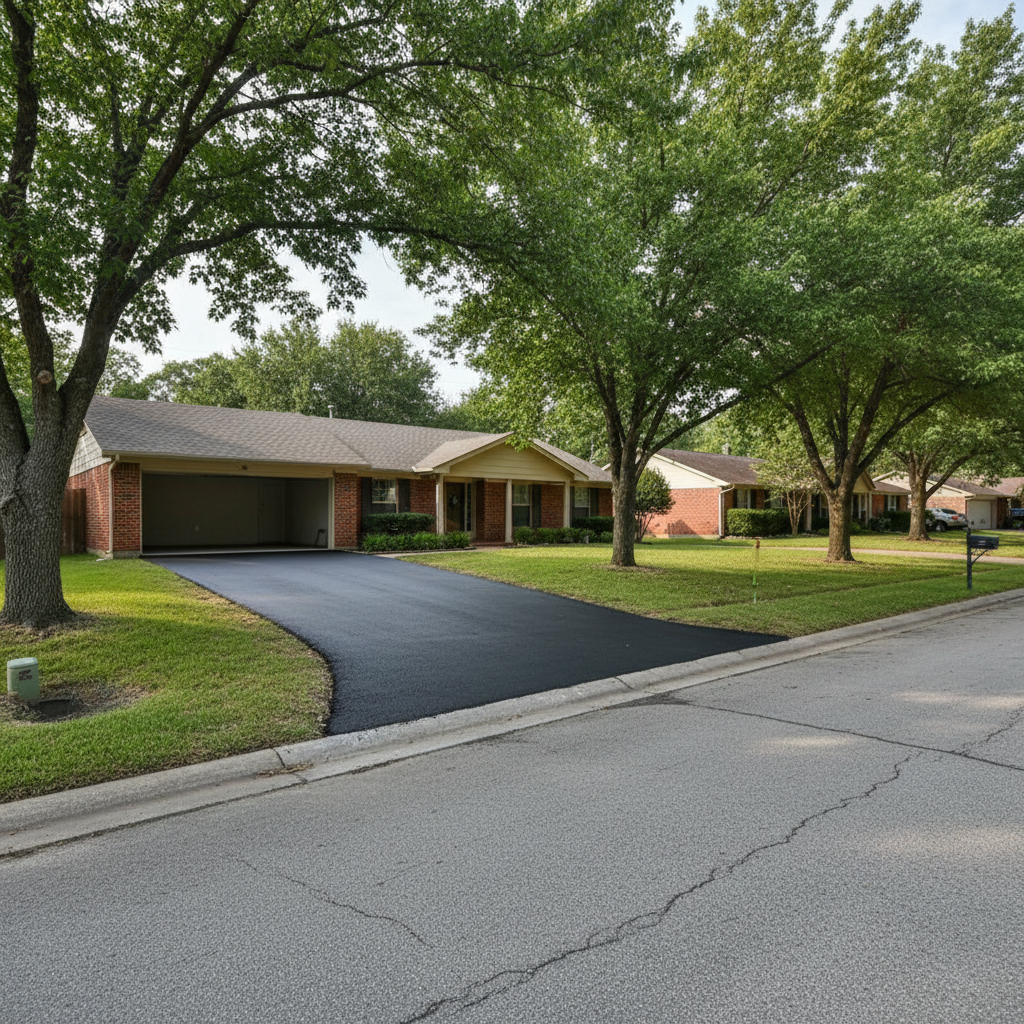
Your commercial parking lot or access road isn't just some slab of asphalt; it's a big part of how your business looks and how smoothly things run every day. Here in Mesquite, with our scorching summers and those occasional, sneaky freezes, your pavement really takes a beating. Ignoring it? Well, that's just asking for huge repair bills down the road. So, let's chat about keeping your commercial asphalt in tip-top shape.
Making Your Pavement Last Longer, Right from the Start
The best way to get a long life out of your asphalt starts with a good installation. But once it's laid down, it's all about staying on top of things. Think of it like a new truck, you don't just drive it until it breaks, do you? You change the oil, check the tires. Your pavement needs that same kind of attention.
First off, drainage is a huge deal. Standing water is asphalt's worst enemy, hands down. If you've got low spots where water just sits after a rain, that water will seep into the base, weaken it, and eventually lead to cracks and potholes. So, make sure your lot drains properly. If you see puddles hanging around hours after a storm, consider that a big red flag you need to deal with.
Next, keep it clean. Debris, oil spills, and even some chemicals can really break down the asphalt binder. Regular sweeping helps a lot, especially in high-traffic areas or near dumpsters where spills are more common. For oil and gas spills, clean them up right away. Don't let them sit there and soak in.
What Does Regular Maintenance Actually Look Like?
Regular maintenance isn't rocket science, but it does need to be consistent. You can't just do it once and then forget about it. Here's what you should be doing:
- Crack Sealing: This is probably the single most important thing you can do. Cracks are like tiny open doors, letting water get right into your asphalt's base layer. Once water gets in and freezes, it expands, making those cracks even bigger. Then, when the ground thaws, the base gets softer, and traffic causes even more damage. Here in Mesquite, our freeze-thaw cycles might not be as extreme as in, say, Minnesota, but they happen, and they'll wreck your pavement if you let water in. So, seal those cracks as soon as they show up.
- Patching Potholes: A pothole starts small, but man, does it grow fast, especially with heavy commercial traffic. Not only are they an eyesore, but they're also a tripping hazard for people and can really damage vehicles. Get them filled promptly.
- Sealcoating: I've talked about sealcoating for residential driveways before, but it's just as crucial for commercial lots. It's like sunscreen for your asphalt, protecting it from UV rays, oxidation, and those nasty chemical spills. Plus, it brings back that deep black color, which makes your property look sharp. For commercial properties, I usually suggest a fresh coat every 2-3 years, depending on how much traffic you get and the pavement's overall condition.
- Line Striping: This isn't just about looking good. Clear, bright line striping makes sure traffic flows safely, marks out parking spots, and helps you meet ADA compliance. Faded lines just confuse drivers and pedestrians. Get them re-striped when they start to look dull.
Warning Signs You Absolutely Can't Ignore
Your asphalt will tell you when it needs help, if you know what to look for. Seriously, don't wait until it's a total disaster.
- Alligator Cracking: This looks like a bunch of interconnected cracks, kind of like an alligator's skin. It means the base layer underneath is failing. This isn't just a surface problem; it's a structural one. You'll often spot this in high-stress areas like entrances, exits, or loading docks.
- Raveling: This happens when the aggregate (those small stones) starts to come loose from the asphalt binder, making the surface rough and crumbly. It's a sign of oxidation and wear, often because of a lack of sealcoating or poor drainage.
- Potholes Everywhere: A few isolated potholes? You can patch those. But if you're seeing new potholes popping up all over the place, or if the patches aren't holding, that's a sign of a deeper issue with your base or the whole pavement structure.
- Standing Water: Like I said earlier, puddles that don't drain away quickly are a huge problem. They'll just speed up every other kind of damage.
When to Bring in a Professional
Look, you can probably handle some basic cleanup, but for anything beyond that, you really need a pro. Don't try to DIY crack sealing or pothole repair on a commercial scale; you'll likely just waste time and money. Here's when to pick up the phone:
- When you see any of those warning signs I just talked about – alligator cracking, widespread raveling, or tons of potholes.
- If you're planning a sealcoating project. It's a specialized job that needs the right equipment and materials for a commercial-grade finish.
- For any new construction or major repair, like an overlay or full-depth replacement.
- If you're just not sure what's going on. Sometimes, you simply need an expert eye to check things out and give you an honest opinion. That's exactly what we do at Top Gun Asphalt of Mesquite. We'll come out, take a look at your lot, and give you a straightforward assessment of what needs to be done, without any fancy sales talk. We're here to help you protect your investment and keep your business looking its best for years to come.