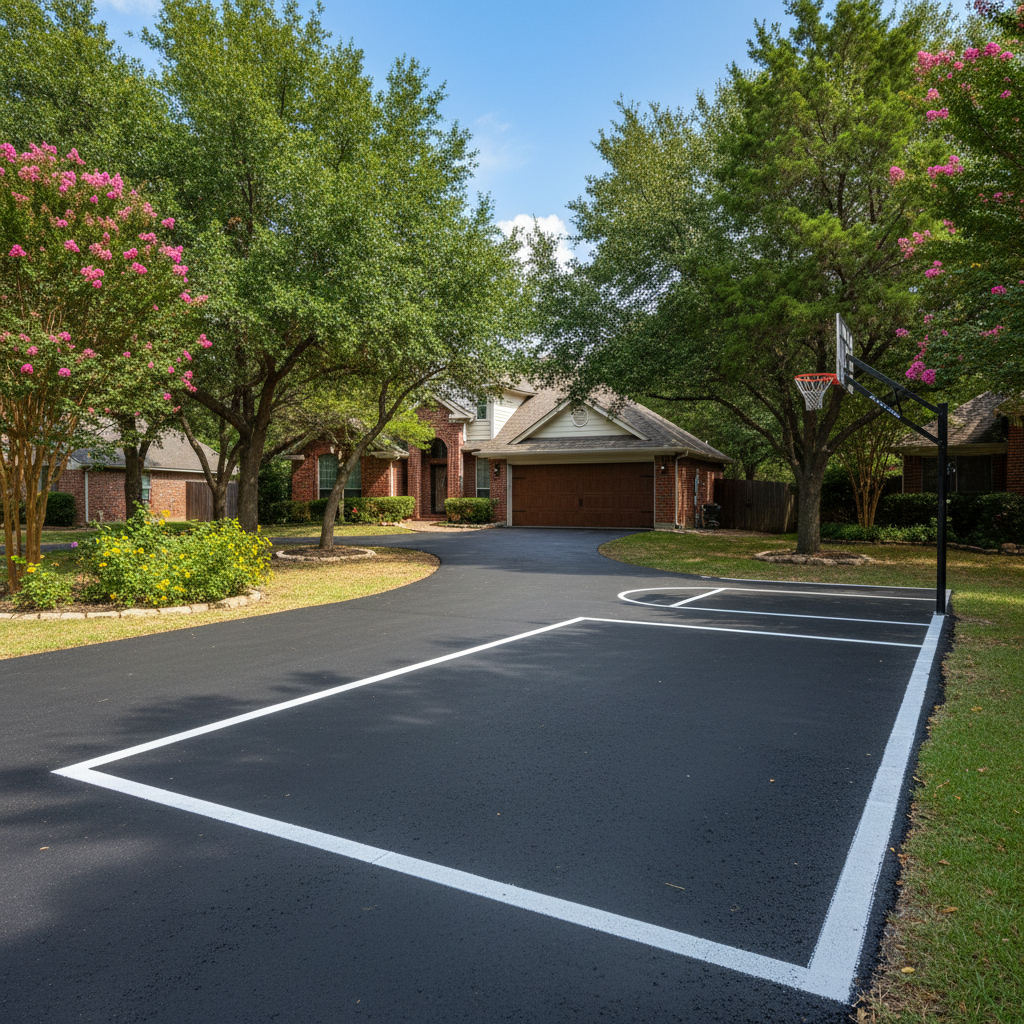
When to Stripe in Mesquite: Don't Rush It
So, you've just put down a fresh coat of asphalt, or maybe you're just trying to spruce up those tired, faded parking lines. It's easy to think, "Let's just get this done!" But when it comes to asphalt striping right here in Mesquite, timing, believe me, is absolutely everything. You can't just slap paint down whenever the mood strikes and expect it to actually last.
The biggest mistake I see people make? They try to stripe when the weather just isn't playing along. That fresh paint really needs to cure correctly, and our Texas climate can throw some serious curveballs if you're not paying attention. Think of it like baking a cake – you wouldn't pull it out of the oven too early, would you? Same idea applies here, honestly.
The Weather's Role: Heat, Humidity, and Rain
Our Mesquite weather, well, it's pretty famous for its extremes. We get those scorching summers and, sometimes, surprisingly chilly winters. Both ends of that spectrum can really mess with your striping project.
Ideal conditions for striping usually mean the air temperature is consistently above 50 degrees Fahrenheit, and ideally, not much higher than 90 degrees. Why? If it's too cold, the paint just won't cure properly. It'll end up brittle, chip easily, and simply won't stick to the asphalt surface the way it should. If it's too hot, especially with our high humidity, the paint can dry too quickly on the surface, trapping solvents underneath. That's when you get bubbling, cracking, and a generally weaker, shorter-lived line. Not what you want, right?
Rain is another huge factor. You absolutely cannot stripe on wet asphalt, and you'll need a good window of dry weather after the application too. I always tell my clients we need at least 24-48 hours of dry conditions once the striping is finished, sometimes even more depending on the type of paint and how humid it is. Trying to rush things before a rainstorm is just asking for disaster – you'll basically just wash all your investment down the drain.
So, what does this all mean for scheduling? Generally, spring and fall are your best bets around here. March through May and September through November usually offer that sweet spot of moderate temperatures and less unpredictable rain. Summer can work, but we've got to be smart about it – often starting early in the morning to beat the worst of the afternoon heat and making sure there's no rain in the forecast.
Protecting Your Investment Year-Round
Once you've got those crisp, bright lines, you want them to stay that way, right? Here's how to protect your striping investment:
Keep it Clean: Dirt, debris, and oil spills don't just look bad; they can actually degrade your asphalt and the striping paint over time. Regular sweeping and occasional pressure washing (gentle, mind you, not too high pressure directly on the lines) helps a lot.
Mind the Drainage: Standing water is the enemy of both asphalt and striping. If you've got areas where water puddles after a rain, that's exactly where your lines will fade fastest. Good drainage is crucial for overall pavement health and for your striping to last.
Watch for Cracks: Small cracks can quickly turn into big ones, and those big cracks can break up your striping. Get those cracks sealed promptly. It's a small repair that prevents much larger, more expensive problems down the road.
Consider Sealcoating: While this post isn't really about sealcoating itself, a good sealcoat every few years protects your entire asphalt surface, including your striping. It gives you a fresh, dark surface that really makes your lines pop and helps them last longer.
Regular Inspection: Just walk your parking lot or driveway once a month. Look for fading, chipping, or any areas that seem to be wearing faster than others. Catching issues early means you can deal with them before they become major headaches.
Here at Top Gun Asphalt of Mesquite, we've truly seen it all. From the clay soils that can shift and crack pavement if not properly prepped, to the intense summer sun that bakes everything it touches. We know what it takes to get striping done right so it holds up to our local conditions. Don't waste your money on a quick fix that just won't last. Plan smart, and those lines will serve you well for years to come.