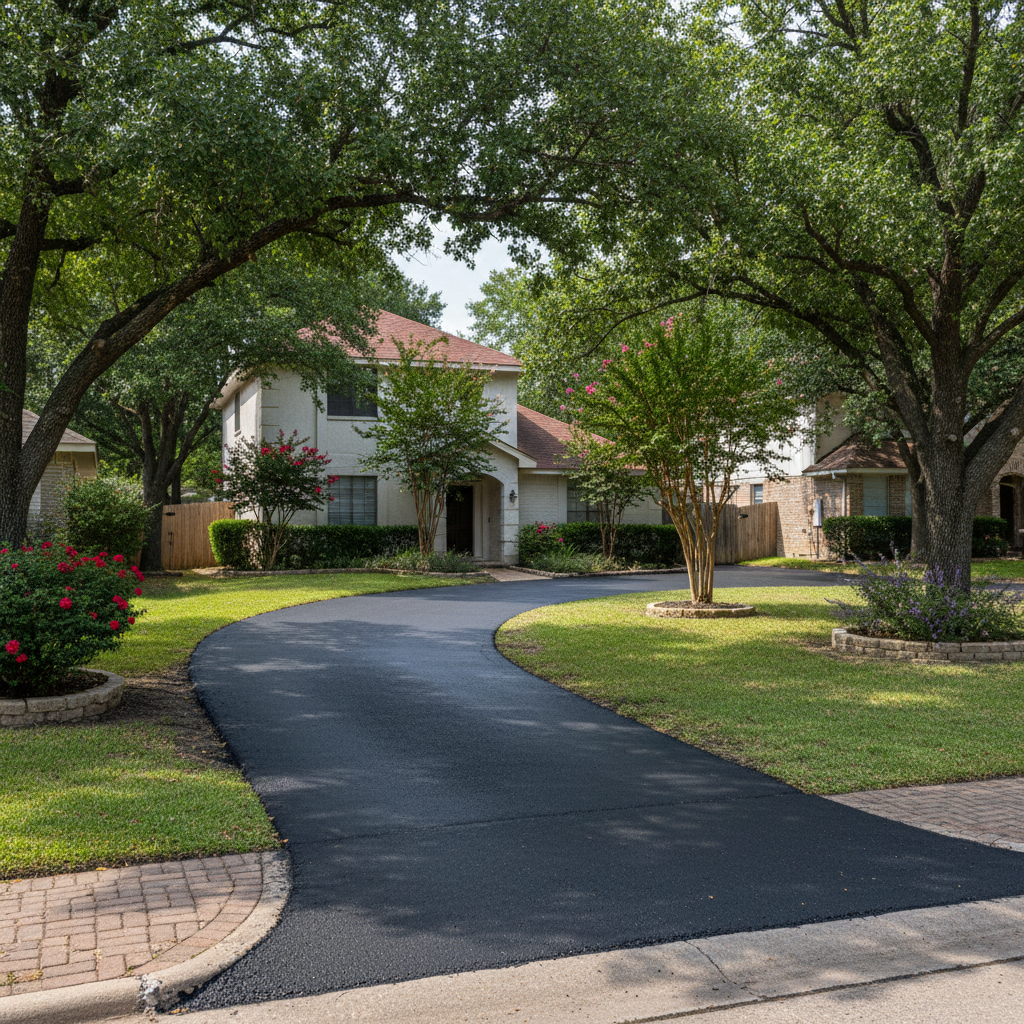
You're looking at your asphalt driveway or parking lot, and maybe it's starting to look a little worn. You've heard about slurry coating, and you're wondering if it's the right move and, more importantly, when's the best time to get it done here in Mesquite.
Well, let me tell you, timing isn't just important; it's critical for a good, long-lasting slurry coat. We're not just talking about a fresh look; we're talking about protecting your investment for years to come. And in our part of Texas, the weather sure does like to keep us on our toes.
What Even Is Slurry Coating?
First off, let's clear up what slurry coating actually is. Think of it as a heavy-duty protective layer for your asphalt. It's a mix of asphalt emulsion, aggregate (like sand), water, and some other additives. When it's applied, it fills in minor cracks, evens out the surface texture, and gives your pavement a fresh, black appearance. It's thicker than a typical sealcoat and offers a bit more structural protection for surfaces that might be a little rougher but still in good shape.
It's not a miracle cure for major damage, mind you. If you've got big potholes or extensive alligator cracking, you'll need repairs first. But for general wear and tear, or just to extend the life of your pavement, slurry coating is a fantastic option.
The Mesquite Climate & Your Slurry Coat Schedule
This is where our local weather really comes into play. Slurry coating needs specific conditions to cure properly. It's not like painting a wall inside your house; it's an outdoor process that's at the mercy of Mother Nature.
- Temperature is Key: You need consistent temperatures. That means daytime highs usually above 50°F (10°C) and nighttime lows that don't dip much below that for at least 24-48 hours after application. Here in Mesquite, that typically pushes us into late spring, summer, and early fall.
- Avoid the Extremes: Our scorching Mesquite summers, especially July and August, can be tricky. While the heat helps it cure, extreme heat can sometimes cause it to dry too fast, leading to issues. On the flip side, trying to do it in the dead of winter? Forget about it. The material won't cure right, and you'll just be throwing money away.
- Rain, Rain, Go Away: Slurry coating absolutely cannot be applied if rain is in the forecast. It needs a good 24-48 hours of dry weather to set up properly. If it rains too soon, it can wash away, streak, or simply not adhere. We've all seen those sudden pop-up storms around here, especially in spring and fall, so checking the forecast meticulously is a must.
- Humidity Matters Too: High humidity can slow down the curing process. While not as critical as temperature or rain, it's something we consider when planning.
So, what's the sweet spot? Generally, I'd say late April through June and then again from September through early November are your best bets for slurry coating here in Mesquite. Those are the times we usually get consistent, moderate temperatures and more predictable dry spells.
Protecting Your Investment Year-Round
Once you've got that fresh slurry coat down, you'll want to protect it. It's not a set-it-and-forget-it deal, especially with our Texas climate and the clay soils we often deal with, which can cause ground movement.
- Give It Time to Cure: After application, you absolutely have to stay off it for the recommended time, usually 24-48 hours for foot traffic and 48-72 hours for vehicles. Rushing this will damage the new surface.
- Keep It Clean: Sweep off loose dirt, leaves, and debris regularly. Don't let oil or gas spills sit; clean them up immediately with an absorbent material and mild detergent. These chemicals can break down the asphalt binder.
- Watch for Weeds: Weeds pushing up through cracks can cause significant damage. Pull them out as soon as you see them, or use a weed killer designed for paved surfaces.
- Address Cracks Early: Even with a slurry coat, new cracks can form over time due to ground movement or heavy loads. Don't let them get big. Small cracks are much easier and cheaper to fill than dealing with major pavement failure. We can help you with crack filling to keep water out.
- Avoid Heavy Loads: Try not to park exceptionally heavy vehicles or equipment on your slurry-coated surface for extended periods, especially in hot weather. The weight can cause indentations.
- Regular Inspections: Just take a walk around your property every few months. Look for any new issues. Catching problems early is always the best way to save money down the line.
Slurry coating is a smart way to extend the life and improve the look of your asphalt. Get the timing right, follow these maintenance tips, and you'll be enjoying that fresh, protected surface for years. If you've got questions or you're ready to talk about scheduling, just give us a call at Top Gun Asphalt of Mesquite. We're here to help you keep your pavement in top shape.