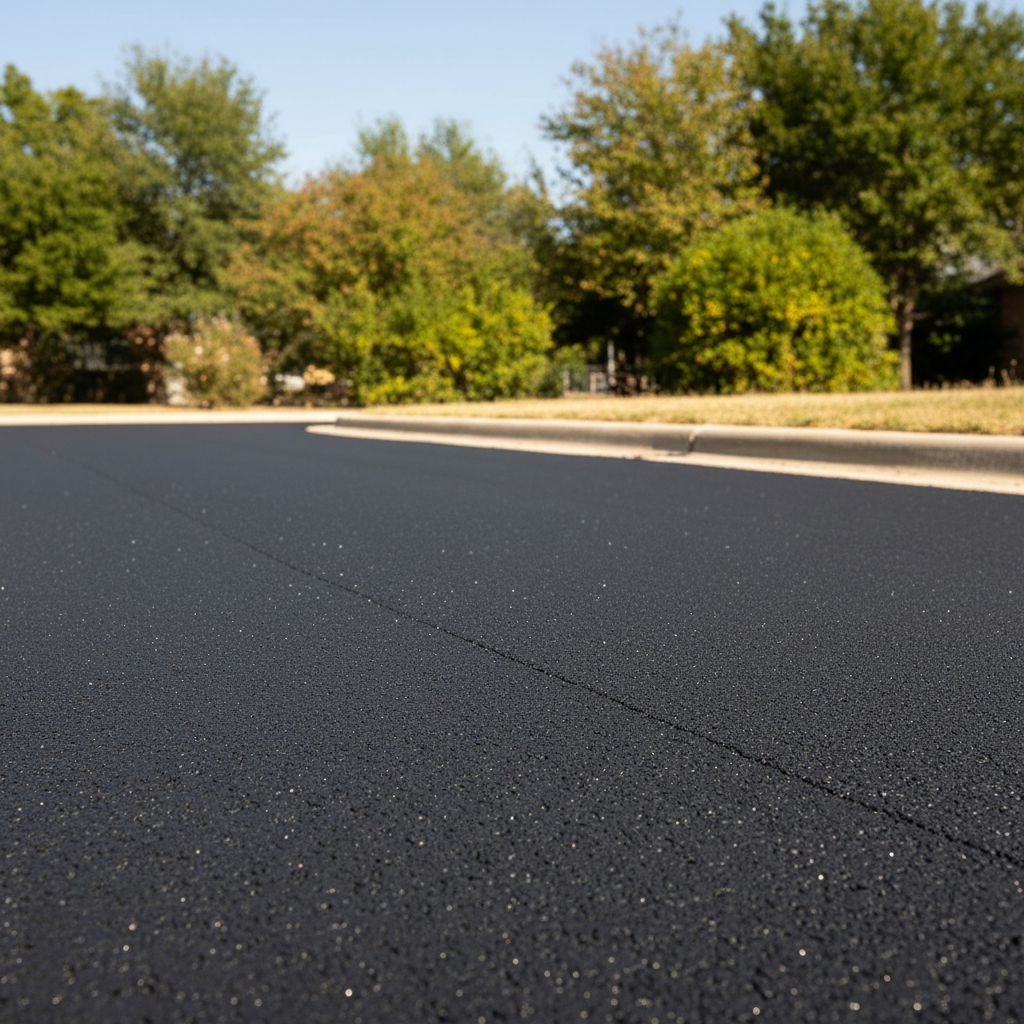
Alright, let's talk about your driveway. Specifically, asphalt driveways here in Mesquite. A lot of folks think it's just a matter of pouring some black stuff down, but there's more to it than that. I've seen plenty of driveways, good and bad, and I want to give you the straight scoop on what you need to know before, during, and after your residential asphalt project.
Before the Shovel Hits the Dirt: Planning Your Project
Planning is probably the most important part, and it's where you can save yourself a lot of headaches and money down the line. First off, what's the goal? Are you putting in a brand-new driveway, or are you looking to resurface an existing one? The approach is pretty different.
If it's new construction, you've got to think about drainage. Mesquite gets some serious rain, and if your driveway isn't properly graded, you'll have standing water, which is a nightmare for asphalt. We're talking about erosion, cracks, and a shortened lifespan for your investment. You'll want to consider where the water will go, away from your house and your neighbors' property.
For resurfacing, you need to assess the existing base. Is it stable? Are there deep cracks or potholes? If the base underneath is shot, just putting a new layer of asphalt on top is like putting a fresh coat of paint on rotten wood. It won't last. A good contractor will tell you if you need a full tear-out and replace, or if a simple overlay will do the trick.
This is also the time to think about permits. Depending on the scope of work and if you're changing drainage patterns, you might need one from the City of Mesquite. Don't skip this; it can cause big problems later.
During the Work: What to Expect
Okay, so you've got your plan. Now, what happens when the crew shows up? If you're doing a full replacement, they'll start with excavation. They'll dig out the old stuff and prepare the subgrade. This is critical. The ground needs to be compacted properly. I'm talking about a solid, firm foundation. Here in Mesquite, we've got some pretty expansive clay soils, and if that subgrade isn't prepped right, you're just asking for trouble with shifting and cracking.
Next comes the base layer. This is usually crushed aggregate – limestone, granite, or recycled concrete. It needs to be laid down in lifts, meaning in layers, and each layer gets compacted. This base is what gives your asphalt driveway its strength. Don't let anyone skimp on this part. The thicker and better compacted the base, the longer your driveway will last.
Finally, the asphalt itself. It arrives hot, usually around 300 degrees Fahrenheit. It's spread out with a paver and then compacted with rollers. You'll see different types of rollers – some smooth, some vibratory – all working to get that asphalt dense and smooth. A good crew, like the folks at Top Gun Asphalt of Mesquite, will make sure the seams are tight and the edges are clean. You want a consistent thickness across the whole driveway, not thin spots that will wear out fast.
After the Job: Curing and Maintenance
Once the asphalt is down, it's not quite ready for a monster truck rally. It needs time to cure. You'll want to stay off it for at least 24-48 hours, sometimes longer if it's really hot out. Even after that, for the first few weeks or even months, be gentle. Avoid parking heavy vehicles in the same spot all the time, and don't turn your steering wheel sharply while stopped on the new pavement. It's still hardening up.
Now, what can you do yourself, and when do you call a pro?
- Cleaning: You can easily sweep your driveway and hose it down. Keep it free of dirt, leaves, and debris. Oil and gas spills? Clean them up ASAP. They'll degrade the asphalt over time.
- Small Cracks: If you see very fine, hairline cracks, you can get some asphalt crack filler from a hardware store and apply it yourself. Follow the directions carefully. This is a good preventative measure.
- Edging: Keep grass and weeds from growing into the edges of your driveway. They can push the asphalt apart. A weed eater or edger works fine.
- Sealcoating: This is a big one. After about 6-12 months, and then every 2-3 years, your asphalt driveway needs to be sealcoated. This protects it from UV rays, water, and chemicals. While some DIY kits exist, for a good, even, long-lasting sealcoat, I always recommend hiring a professional. It's a messy job, and pros have the right equipment and materials to do it right.
- Potholes & Large Cracks: If you've got actual potholes, alligator cracking (looks like alligator skin), or large, deep cracks, that's when you call a professional. These issues usually indicate a problem with the base or significant wear, and a quick patch won't cut it for long. You need proper repair that addresses the underlying issue.
- Drainage Issues: If you notice standing water or erosion problems, don't try to fix it yourself with a shovel. This requires expertise in grading and potentially installing drainage solutions.
Look, your asphalt driveway is a big investment. Taking care of it with regular maintenance will make it last a lot longer and look better. Knowing when to roll up your sleeves and when to pick up the phone for a local expert like Top Gun Asphalt of Mesquite will save you money and headaches in the long run.