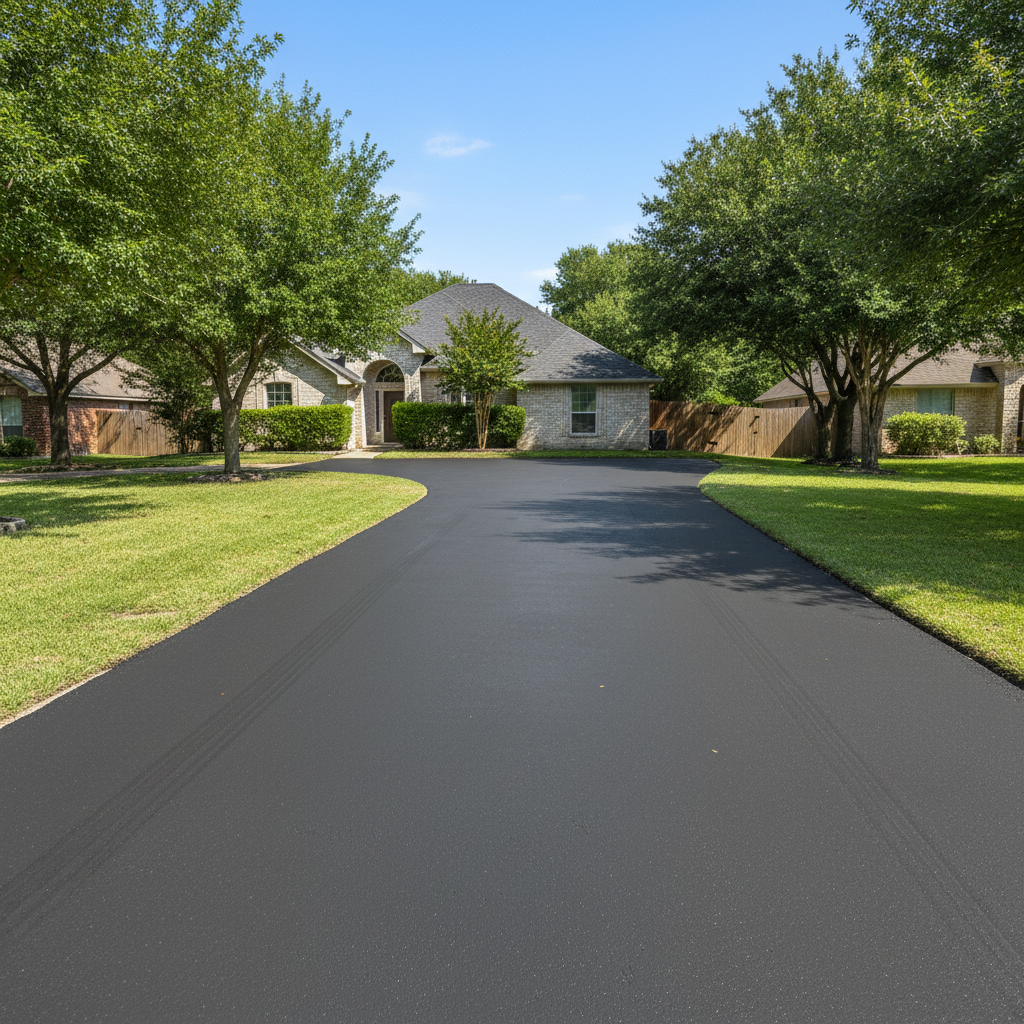
So, you just got a fresh slurry coat on your parking lot or private road. Good call! It's a smart way to protect your asphalt and keep it looking sharp. But here's the deal: it's not a "set it and forget it" kind of thing, especially not here in Mesquite with our wild weather swings. You really need to do a little maintenance if you want that investment to pay off and last as long as it should.
Making Your Slurry Coat Last Longer
The best way to get the most out of your slurry coating is to get ahead of things. Think of it like changing the oil in your truck – you do it regularly to stop bigger problems from popping up later. For asphalt, that means a few key steps.
- Keep it Clean: Sounds simple, right? But dirt, debris, and especially oil or gas spills can really mess up your slurry coat over time. Sweep or blow off your pavement regularly. If you spot a spill, clean it up right away. Don't let it just sit there and soak in. A good scrub with a stiff brush and some mild detergent, followed by a rinse, can work wonders.
- Control Drainage: Water is asphalt's worst enemy. Make sure your drainage systems are clear and doing their job. If water is pooling on your slurry-coated surface, it's going to wear it down faster, especially with our super hot summers and then the freeze-thaw cycles we sometimes get in winter. Good drainage stops standing water from seeping into those base layers.
- Limit Heavy Traffic & Turns: Sure, slurry coating adds a protective layer, but it's not built to take constant, heavy abuse. If you have spots with lots of heavy truck traffic or tight turning radiuses, those areas will wear out quicker. Maybe consider reinforcing those sections or changing traffic patterns if you can.
- Fix Small Issues Fast: Don't wait for a tiny crack to turn into a monster pothole. We'll get into warning signs in a bit, but the sooner you jump on minor repairs, the longer your whole surface will hold up.
Regular Upkeep: What You Should Be Doing
Beyond just general tidiness, there are specific things you should be doing routinely. I'd suggest giving your pavement a visual inspection at least once a month, maybe more often after a big storm rolls through.
- Sweeping and Debris Removal: Like I said, this is super important. Leaves, dirt, gravel, even trash – they can all hold moisture against the surface and cause it to break down. Get rid of it.
- Spot Cleaning Spills: Oil, gas, hydraulic fluid – these things eat away at asphalt. Have a plan for cleaning them up quickly. Kitty litter or absorbent pads work great for fresh spills, then follow up with a good scrub.
- Checking for Standing Water: After it rains, walk your property. Are there puddles that just don't dry up within a few hours? That's a big red flag for drainage problems that need fixing. Here in Mesquite, with our expansive clay soils that can shift, it can lead to 'alligator cracking' pretty fast if the sub-base gets wet.
- Inspecting Edges and Transitions: The edges of your pavement, where it meets grass or concrete, are often weak spots. Look for any crumbling or separation there. Also, check around storm drains and manholes; they're common trouble areas.
Signs of Trouble
Your pavement will definitely tell you if something's wrong, if you just know how to listen. Here are some common warning signs that your slurry coat might be in trouble:
- Fading or Discoloration: A fresh slurry coat's deep black color will naturally lighten a bit over time, no doubt. But if you see excessive fading or blotchy discoloration, that could mean it's wearing out too fast or there was an issue with how it was first put down.
- Fine Hairline Cracks: A few tiny cracks are normal as the surface gets older, but if you start seeing a whole network of fine cracks, often called 'alligator cracking,' that's a sign of deeper structural problems or serious surface damage. You absolutely need to deal with these before they get worse.
- Pitting or Raveling: This happens when small bits of aggregate start to come loose, making the surface look rough and pitted. It means the binder in the slurry coat is failing, and the surface is losing its strength.
- Potholes or Depressions: These are pretty obvious, aren't they? If you see them, it means water has gotten underneath the surface and messed up the base. They need immediate attention.
- Peeling or Flaking: If the slurry coat itself is peeling away from the asphalt underneath, that's a sign of poor adhesion. Usually, this is because the surface wasn't prepped correctly before the slurry was applied.
When to Call a Pro
Listen, I'm all for doing things yourself when it makes sense, but some jobs are just better left to the experts. For slurry coating issues, that's usually when you spot those bigger warning signs.
- Lots of Alligator Cracking: If a big chunk of your pavement looks like alligator skin, you're past a simple patch job. You probably have a sub-base issue that needs a professional to look at and fix.
- Potholes that are Getting Bigger: A small pothole can sometimes be patched, sure. But if you've got lots of them, or they're deep, or they're growing fast, you need a professional to figure out the root cause and give you a real, lasting solution.
- Drainage Problems You Can't Fix: If you've got standing water that just won't go away and you can't figure out why, or if it involves regrading the area, that's definitely a job for someone with the right gear and know-how.
- Large Areas of Pitting or Raveling: If your slurry coat is breaking down over a wide area, it might be time for a new application or a more significant repair. A professional can tell you if a simple reseal will do the trick or if you need more extensive work.
- Anytime You're Unsure: Honestly, if you're looking at your pavement and just have a gut feeling something isn't quite right, just give us a call. It's always better to catch a problem early, right? Here at Top Gun Asphalt of Mesquite, we're happy to come out, take a look, and give you an honest assessment. We'd much rather you call us for a quick check than for a full-blown reconstruction project later on.
Keeping up with your slurry coat isn't rocket science, but it does need a little bit of attention. A little effort now can save you a whole lot of headaches and money down the road. Stay vigilant, and your pavement will serve you well for years to come.