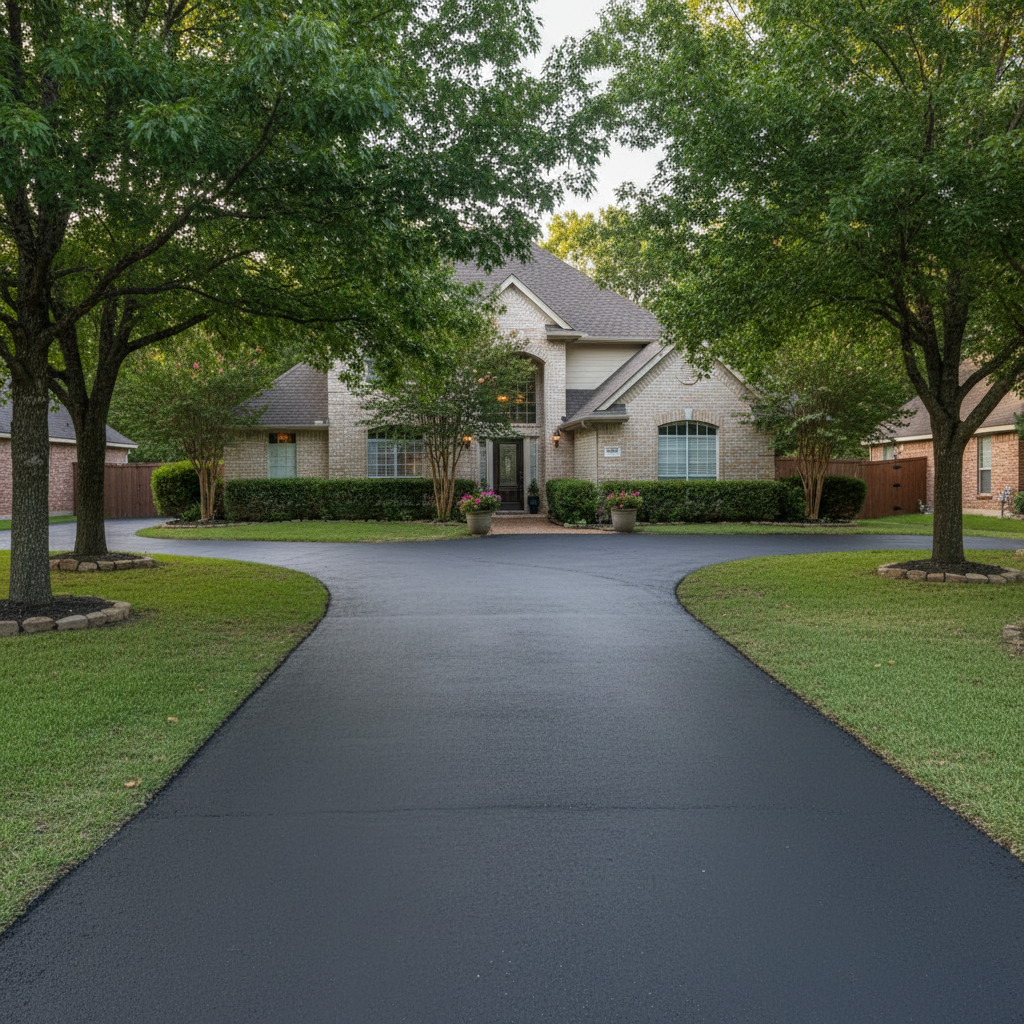
You have a fresh slurry coat on your driveway or parking lot here in Mesquite. This is a solid move for your asphalt. It protects your asphalt from the strong Texas sun as well as the other problems our climate brings. Getting the slurry coat done is only part of the job. You need to know how to take care of it to get your money's worth and keep that pavement looking good. Our team at Top Gun Asphalt of Mesquite has seen a lot of asphalt come and go in this town. We can tell you that good maintenance makes a big difference.
Extending the Life of Your Slurry Coat in Mesquite
We will talk about how to make that slurry coat last a long time. A properly applied Slurry Coating in Mesquite can usually last between 5 to 7 years. This is true with good maintenance. You will just be throwing money away without it.
- Watch the Weight: You should try to keep heavy vehicles off the Slurry Coating for the first few days after we apply it. The slurry needs time to fully cure as well as harden. Top Gun Asphalt of Mesquite will give you specific instructions for your project. Light traffic might be okay after 24-48 hours. Full curing can take several days depending on the temperature as well as the humidity.
- Mind the Turns: You should avoid sharp turns or sudden stops on fresh slurry. This is especially true with power steering. This can scuff or tear the surface before it is fully set.
- Keep it Clean: Dirt, debris, and oil or gas spills are not good for your asphalt or your Slurry Coat. You should clean up any spills right away. Oil and gas can break down the binder in the asphalt as well as the slurry. This leads to early failure. Regular sweeping or blowing off leaves and dirt helps a lot.
- Address Cracks Early: Slurry Coats are good for sealing small surface cracks. They are not meant for big structural repairs. You should get new cracks filled if you see them forming, even small ones. Water is asphalt's worst enemy. This is especially true with Mesquite's expansive Blackland Prairie clay soil. The clay can swell and shrink when water gets into cracks. This just makes cracks worse.
- Proper Drainage is Key: This is very important in Mesquite. Our heavy rains can cause big problems if water is not draining correctly. You must make sure your gutters and downspouts are sending water away from your paved surfaces. A low spot where water pools is a recipe for disaster. This will shorten the life of your Slurry Coat a lot.
Regular Maintenance: What You Need to Do
You can think of this like changing the oil in your car. A little regular attention helps a lot. Top Gun Asphalt of Mesquite recommends these steps for your slurry-coated pavement:
- Seasonal Inspections: You should walk around your property a few times a year. This is especially important after heavy rains or a long hot summer. You should look for any new cracks, faded spots, or areas where the slurry might be getting thin.
- Clean it Up: You should keep the surface free of dirt, gravel, and organic material. A good sweeping or power washing on a low setting helps prevent abrasive wear. It also keeps the surface looking good.
- Spot Treat Stains: You should clean up an oil drip or a hydraulic fluid leak right away. You should use the right cleaner for the job. Do not let it sit and soak in.
Warning Signs: When Something's Not Right
Your pavement will tell you when it is not happy. You just need to know what to look for. Here are some red flags that your Slurry Coat might be having problems:
- Fading or Graying: Slurry Coating brings back that rich black color to your asphalt. It means the protective layer is wearing down if it is starting to look gray or faded again. This is especially true in high-traffic areas or spots with constant sun exposure. The strong Texas sun as well as UV exposure cause asphalt to oxidize and become brittle.
- Excessive Cracking: Slurry fills small cracks. It is a problem if you are seeing a lot of new cracks, or old ones reopening and getting bigger. This could mean underlying issues with the asphalt base.
- Peeling or Flaking: This is a clear sign of poor adhesion. It is also a sign of the material breaking down. This could be because of bad surface preparation before the slurry was applied. The material itself could also be failing.
- Potholes or Depressions: Slurry Coating is a surface treatment. Getting potholes means the damage goes deeper. It usually goes to the sub-base. This needs more significant repair than just another coat.
- Rough or Uneven Texture: The surface might have an application issue or the aggregate might be wearing away. This is true if the surface feels rougher than it should, or if you see streaks.
When to Call a Professional (Like Top Gun Asphalt of Mesquite)
We are all for saving money. Some jobs are best left to the pros. It is time to give us a call if you see any of those warning signs. You should also call if you are just not sure. Here is when you definitely need a professional:
- Widespread Cracking or Alligatoring: This is structural damage if your pavement looks like an alligator's back. Slurry will not fix it. You will need crack filling as well as possibly patching or resurfacing.
- Significant Potholes: Potholes mean base failure. We need to fix the sub-grade failure. We do not just fill the hole.
- Drainage Issues: We can check the grading and suggest solutions to stop more damage. This is true if water is always pooling on your pavement.
- Slurry Coat Wearing Off Prematurely: Something is wrong if your Slurry Coat is not lasting the typical 5-7 years. We can find out why. We can also suggest the right action. This might be another application or a more intensive repair.
- You're Just Not Sure: Do not guess about your pavement. It is always better to have an expert take a look. We can give you an honest assessment of what needs to be done.
Maintaining your slurry-coated asphalt is not difficult. It does take some effort as well as knowing what to look for. Our goal at Top Gun Asphalt of Mesquite is to help you protect your investment. We also want to keep your property looking its best. Do not let small problems turn into big, expensive headaches. A little proactive care now saves you a lot of trouble later on.